
Prior training, supervised work and the published 2028 cycle
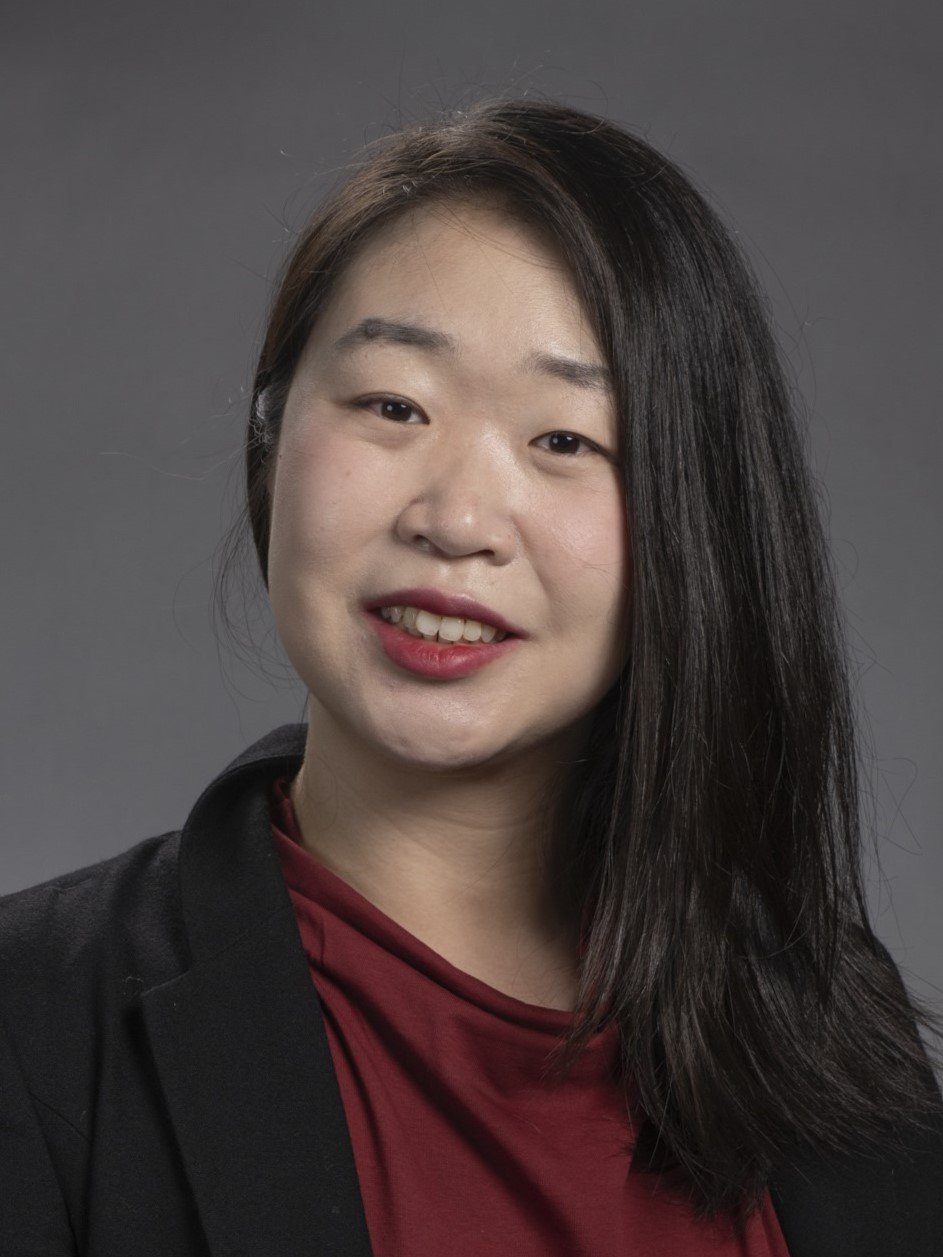
The overview specifies Canadian-trained gynaecologists and names Caroline Lee as programme director. It describes two to three operating days and one to two clinic days per week, with protected research and teaching time. These describe the planned training structure, not an individual supervision guarantee.
The application page publishes 1 August 2028 as the next intake and leaves the deadline to be determined. Its sponsored IMG instructions must be read alongside the Canadian-training prerequisite; they do not establish unrestricted access for overseas-trained applicants.
Official source 1 ↗ · Official source 2 ↗ · Summary reviewed 2026-11-03. Programme overview and How to Apply: published intake and applicant routes; cached texts, direct live access blocked. This review covers the stated details, not current vacancies or every requirement.
Application instructions reviewed directly
Live application instructions separate Canadian and IMG streams. Sponsored IMGs submit a statement, CV, funding letter, passport, medical and specialty credentials, applicable English results and three direct referee letters. Self-funding is excluded. The page publishes 1 August 2028 with deadline to be determined.
Official source 1 ↗ · Summary reviewed 2026-11-03. Live How to Apply page: Canadian Applicants and IMG Applicants accordions. This review covers the stated details, not current vacancies or every requirement.
Conflicting guide and application terms need programme confirmation
The April 2026 guide says IMGs may apply with written pre-approval and describes self-funding for IMGs; the current UBC instructions exclude self-funding and require external-agency sponsorship. The overview requires Canadian-trained gynaecologists. These differences require programme clarification for the 2028 intake.
The CanSAGE salary entry belongs to the 2026–27 guide. It must not be interpreted as a salary offer for every applicant or for the next published intake.
Official source 1 ↗ · Official source 2 ↗ · Official source 3 ↗ · Summary reviewed 2026-11-04. Printed p. 7; UBC programme overview and IMG application instructions. This review covers the stated details, not current vacancies or every requirement.
Published CanSAGE quota and appointment information
The April 2026 CanSAGE booklet lists a training quota of one for UBC / BC Women’s Hospital. The university’s programme page separately lists August 1, 2028 as its next intake. Ask the unit for the quota for that cycle.
Official source 1 ↗ · Official source 2 ↗ · Summary reviewed 2026-11-12. April 2026 CanSAGE booklet, page 7, UBC / BC Women’s Hospital. This review covers the stated details, not current vacancies or every requirement.
Pelvic pain centre and multidisciplinary clinical exposure
Clinic time at the BC Women’s Centre includes work with physiotherapy and counselling colleagues. The guide describes optional exposure to the multidisciplinary vulvodynia programme at Vancouver General Hospital.
The programme progresses from a fellow clinic and endovaginal ultrasound work to more complex surgical cases and research in the second year.
Official source 1 ↗ · Summary reviewed 2026-11-15. 2026–2027 Advanced Gynecologic Surgery, UBC BC Women’s Hospital entry, pp. 7–8. This review covers the stated details, not current vacancies or every requirement.
Application information
- Application timing
- TBD
- International applicants
- Programme application page has separate Canadian and IMG streams. The IMG stream requires full external-agency sponsorship; self-funded fellows are not accepted. Qualifications, English requirements and CPSBC registration still apply. The overview’s Canadian/Canadian-trained wording needs programme clarification for the IMG stream; unrestricted overseas-trained eligibility is not established.
- Visa support
- Institution-wide context only (not a confirmed programme visa offer): foreign trainees must hold an IRCC work permit for the whole training period; the sponsoring department/PGME submits an offer of employment to IRCC and the fellow applies under the LMIA-exempt category
- Funding
- Published terms differ by source, applicant stream and cycle. The April 2026 CanSAGE entry for 2026–27 lists CAD 75,000 plus weekend stipend (stated total gross income CAD 100,000) and benefits. The current UBC IMG application instructions state that fellowship funding is unavailable for that stream, self-funded fellows are not accepted, and full external-agency sponsorship is required. These dated guide figures are not a promise for the published 2028 intake. Previously recorded UBC-wide context (not reverified programme pay): fellows are not covered by the Resident Doctors of BC agreement; a written Training Agreement with the sponsoring Health Authority/University sets pay; $500 PGME administrative fee plus annual CPSBC licence fee; self-funded or unfunded postgraduate trainees are not eligible
Entry requirements and contacts
- Training sites
- BC Women’s Centre for Pelvic Pain and Endometriosis at BC Women’s Hospital, 4500 Oak Street, Vancouver.
- Entry requirements
- Canadian stream: completed RCPSC-accredited OB-GYN training, RCPSC examination eligibility and CPSBC registration eligibility. IMG stream: full external-agency sponsorship, funding letter, identity and specialty/medical credentials with applicable translations and English evidence; no self-funding.
- Published program contact
- lauren.ritchie@cw.bc.ca
- Program contact person
- Lauren Ritchie
- Application information
- Official application page ↗
Faculty
Classification and overview
Minimally Invasive Surgery, Endometriosis & Pelvic Pain Clinical Fellowship is listed as clinical fellowship offered by University of British Columbia – BC Women's Hospital in Vancouver, Canada. It is listed under MIGS & Endoscopic Surgery, with an original program classification of Minimally invasive gynaecologic surgery.
- Directory pathway
- MIGS & Endoscopic Surgery
- Original classification
- Minimally invasive gynaecologic surgery
- Program format
- Clinical Fellowship
Verify before applying
Program availability, deadlines, eligibility, accreditation, funding, licensing, and immigration requirements can change. Confirm every requirement directly with the institution before making an application or travel decision.